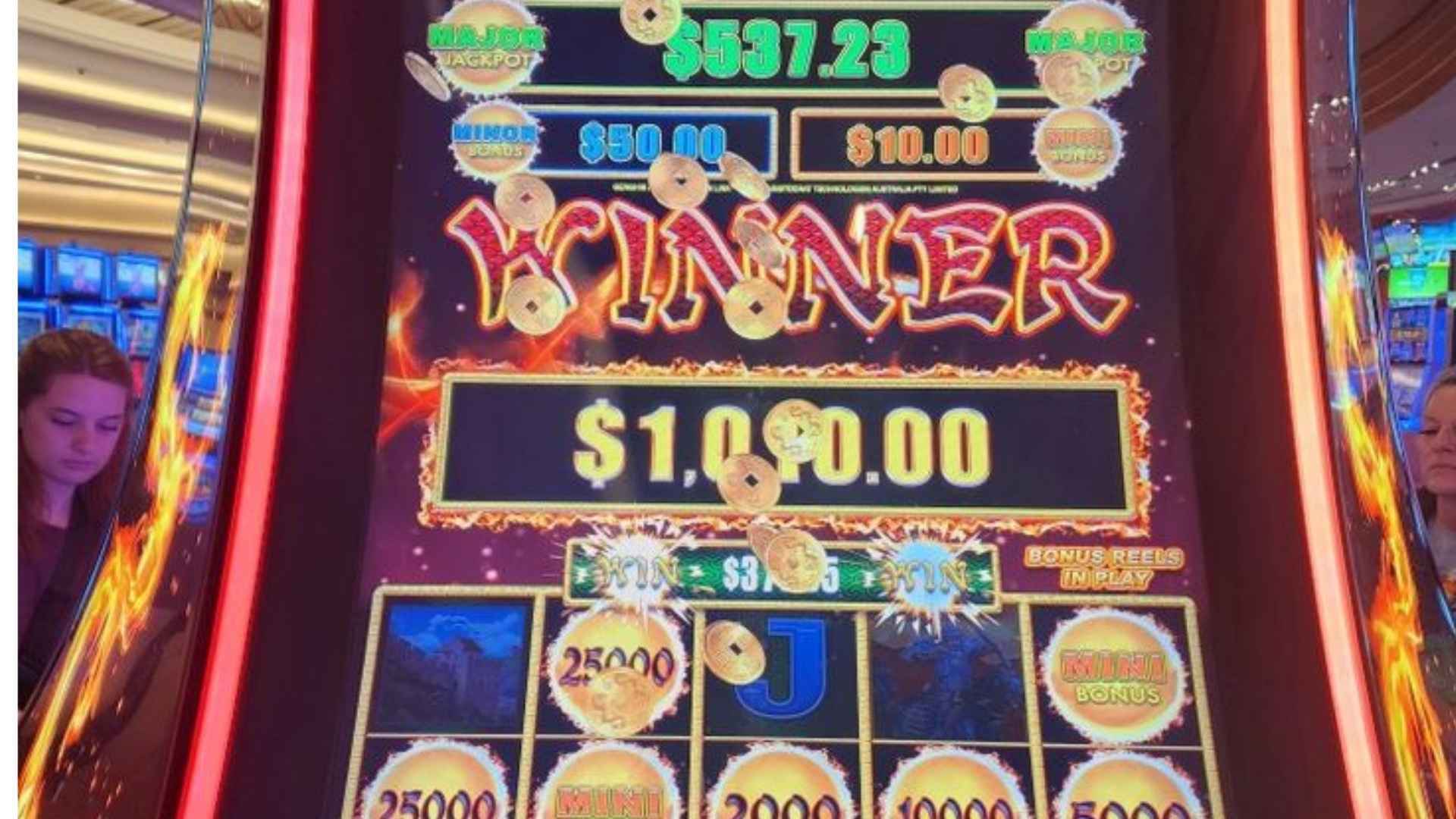
The micro-moments that occur right before a spinning wheel stops hold a unique psychological power over observers. While the final reward provides a clear sense of resolution, the intense period of deceleration is where the true entertainment value resides. Understanding the intricate balance between visual design and human curiosity reveals why this brief interval feels so deeply captivating.
The Psychology of Delayed Gratification
Human brains are naturally wired to respond to uncertainty with heightened focus and spikes of curiosity. When a wheel begins to slow down, the sudden shift from high-speed motion to predictable friction creates an active waiting phase. This specific transition stretches subjective time, making those final few seconds feel incredibly impactful to the participant.
Furthermore, the visual layout displays all potential prizes simultaneously, keeping the audience completely aware of near misses. Seeing a highly desirable segment pass just before the pointer settles triggers a strong emotional response that encourages continued engagement. This mechanical transparency transforms a basic random outcome into a compelling personal journey.
How Visual Cues and Pacing Build Tension
Modern digital developers use precise algorithmic deceleration to maximize the dramatic build-up of each round. Instead of stopping abruptly, a well-designed wheel clicks rhythmically against individual partitions to simulate authentic physical resistance. This clever auditory feedback works alongside fluid animations to create a powerful sensory experience that commands full attention.
Many leading global platforms apply these psychological pacing techniques directly to their casual reward systems. Popular entertainment hubs like m88 utilize meticulous interface designs to keep their interactive modules feeling exceptionally fresh and responsive. By prioritizing seamless visual execution, creators successfully preserve the nostalgic charm of classic carnival attractions within contemporary digital spaces.
The Dynamic Influence of Themes and Audio
Beyond the fundamental physics of rotation, the surrounding aesthetic framework heavily shapes how players perceive the moments of waiting. Thematic soundscapes, shifting background colors, and glowing highlights often accelerate in intensity as the wheel loses its momentum. These coordinated environmental cues signal that a major revelation is approaching, effectively multiplying the natural suspense.
Varying the narrative presentation across different releases allows casual applications to connect with diverse player preferences. Whether a design features ancient mythology or sleek futuristic graphics, the visual identity alters the underlying emotional tone of the session. This creative variety ensures that the simple act of waiting never becomes repetitive or stale over time.
The Evolution toward Greater Interactive Depth
As interactive media continues to advance, the structural pacing of random selection games is becoming even more sophisticated. Future updates may introduce multi-tiered layouts or real-time choice mechanics that let users influence the deceleration phase directly. Giving participants a greater sense of active involvement will likely deepen long-term loyalty and satisfaction.
Ultimately, the enduring appeal of the spin lies in its perfect combination of minimalism and profound psychological tension. It strips away the unnecessary complications found in complex strategy titles while delivering immediate, high-quality visual amusement. By masterfully managing the precious seconds before the reveal, designers ensure that the thrill of anticipation remains timeless.